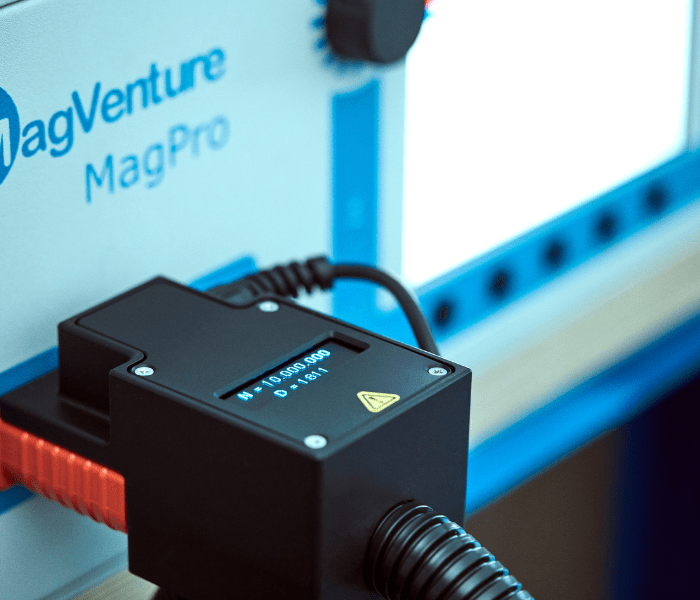
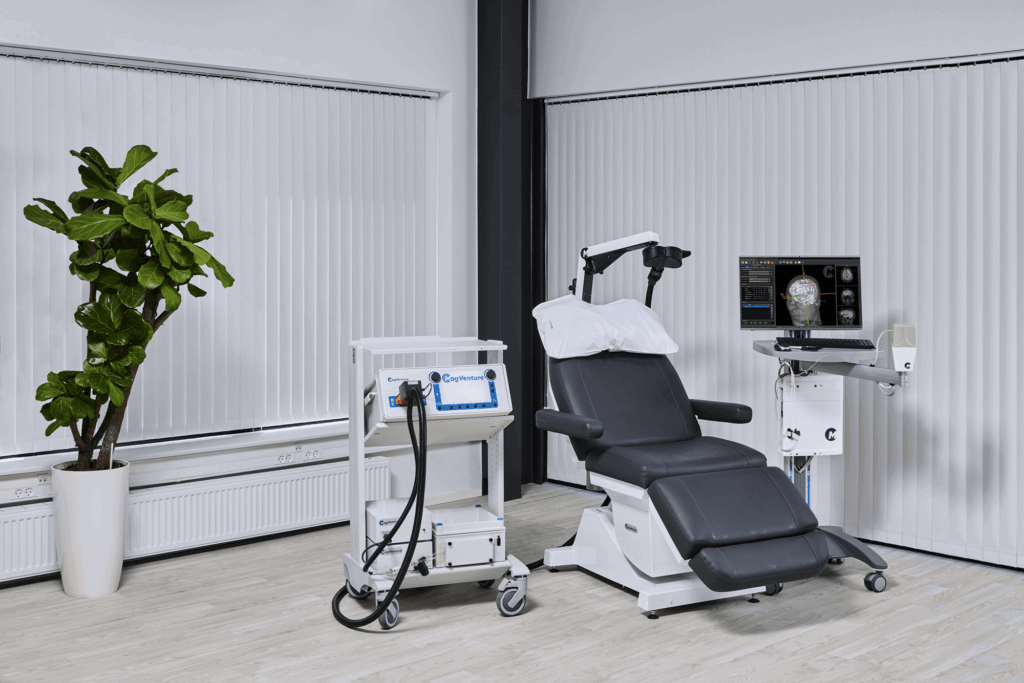
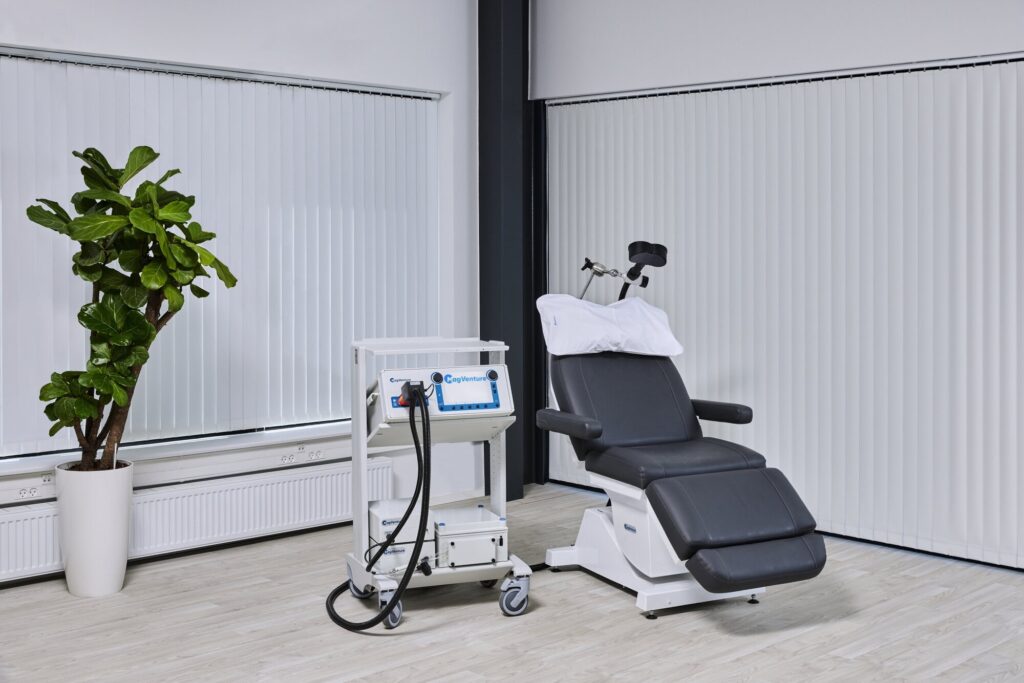
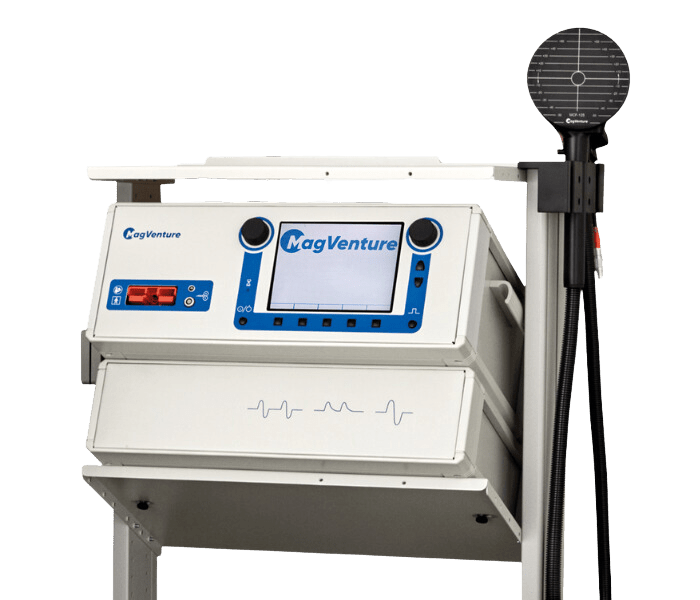
MagPro R30 including MagOption Stimulator

MagPro R30 including MagOption Stimulator

Stimulator

The MagPro R30 with MagOption can provide both biphasic and monophasic pulse waveforms, paired-pulses or twin-pulses, complex pulse firing patterns, and high frequency stimulation up to 30 Hz. With the same features as the MagPro R30 but with enhanced stimulation capabilities, it provides monophasic waveform and twin and dual pulses up to 5 pps (both monophasic and biphasic). Allows for storage of multiple stimulator setups, external control, and heat tolerance when preforming intense, focused, and repeated protocols. It has the same features as the R30 with additional diagnostic capabilities.

Product details

Pulse mode

Standard

Dual, Twin

Waveform

Biphasic,

Monophasic

Current direction

Normal


Ramp up

Yes


Max repetition rate

30 pps,


  • Specifications

Coil compatibility

All coils

Part no.

9016E0741


Other products

R30 package with Atlas neuronavigation

package

R30 package with Atlas neuronavigation

package

Package 4 – R30 Device

Package

Package 4 – R30 Device

Package

Package 3 – R30 Device

Package

Package 3 – R30 Device

Package

Package 2 – R30 Device

Package

Package 2 – R30 Device

Package

Related articles

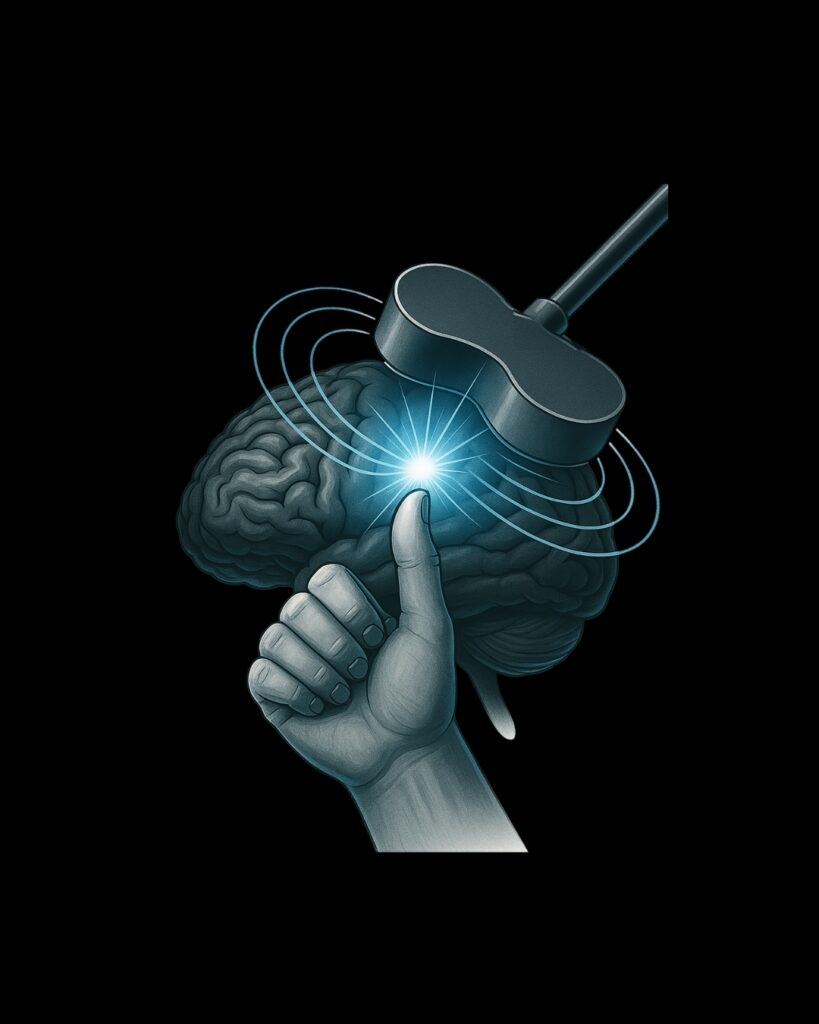
تحریک مغناطیسی فراجمجمه‌ای TMS روی مغز انسان — تصویر شماتیک عملکرد کویل مغناطیسی روی سر بیمار

What Is TMS

What Is Transcranial Magnetic Stimulation (TMS)? Transcranial Magnetic Stimulation (TMS)

تصویر مفهومی تحریک مغناطیسی فراجمجمه‌ای (TMS) و فعال‌سازی نورون‌های قشری مغز

History of TMS

The History of Transcranial Magnetic Stimulation (TMS): From the First

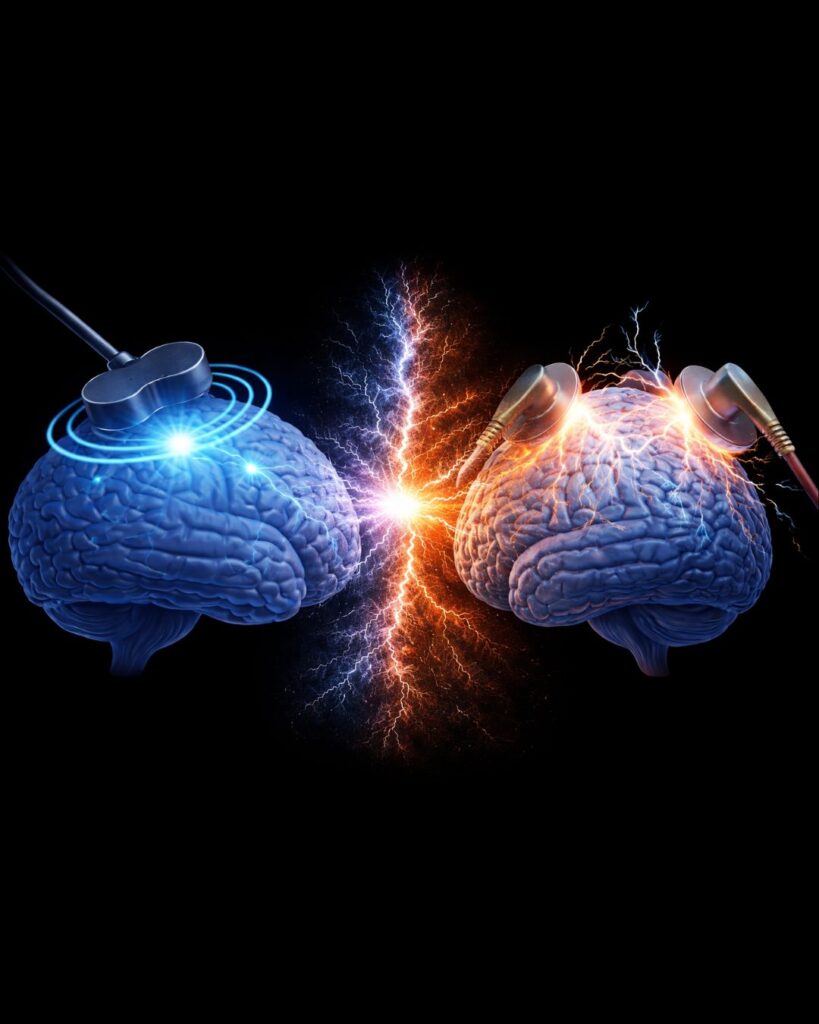
Comparison of Transcranial Magnetic Stimulation (TMS) and Electroconvulsive Therapy (ECT) illustrating focal versus seizure-based brain stimulation

TMS vs ECT

Differences Between TMS and ECT in Brain Stimulation Brain stimulation

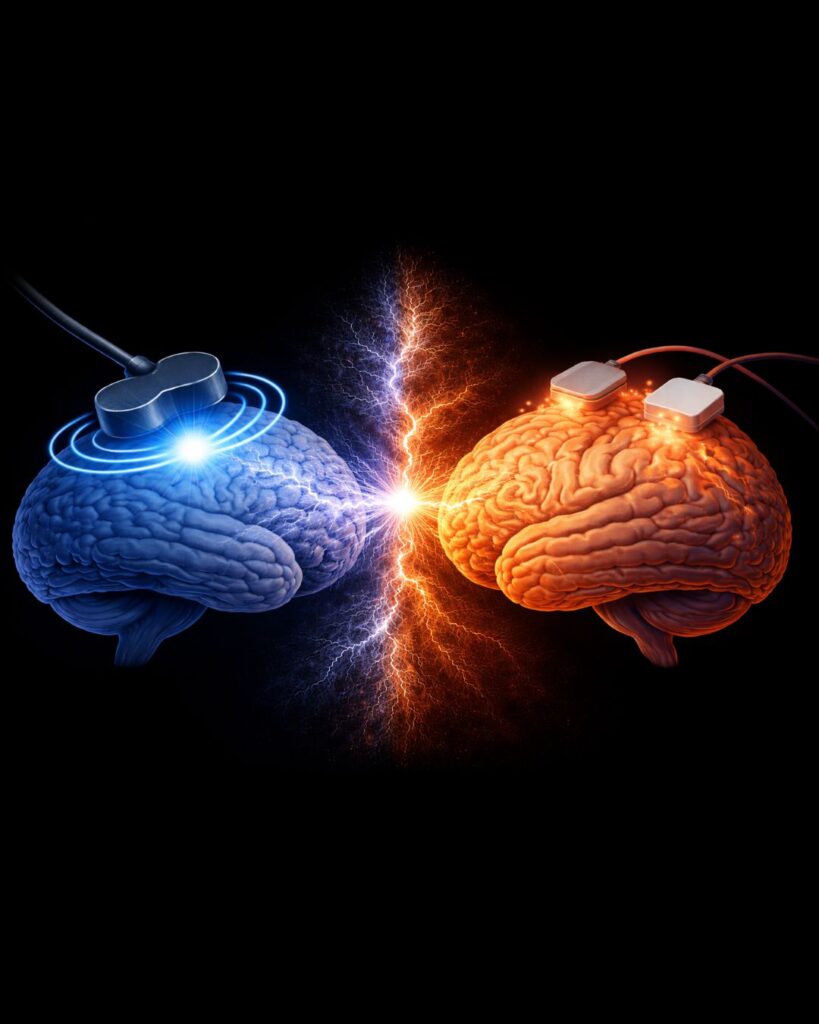
مقایسه تحریک مغناطیسی فراجمجمه‌ای (TMS) و تحریک جریان مستقیم فراجمجمه‌ای (tDCS) در تحریک غیرتهاجمی مغز با نمایش تفاوت تحریک موضعی و تحریک منتشر

TMS vs tDCS

Differences Between TMS and tDCS in Non-Invasive Brain Stimulation Non-invasive