What Is Transcranial Magnetic Stimulation (TMS)?
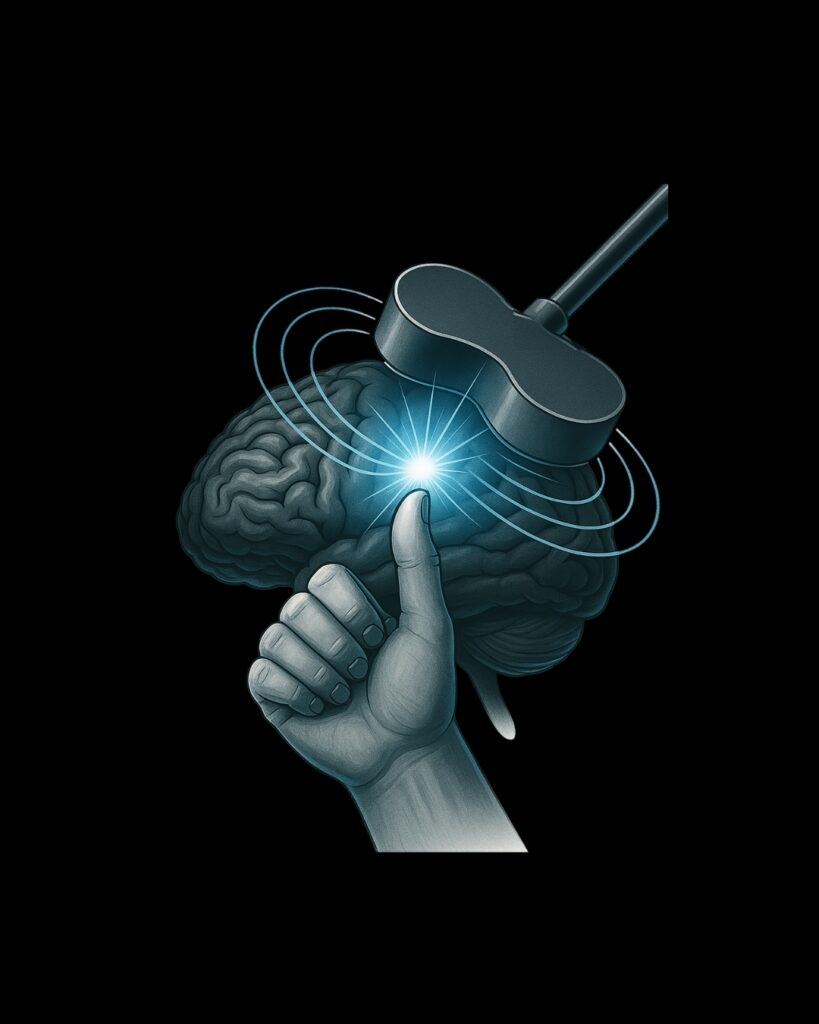
Transcranial Magnetic Stimulation (TMS) is a non-invasive and painless neuromodulation technique that uses controlled magnetic fields to modulate neuronal activity in the cerebral cortex.
TMS is designed to improve the function of brain circuits involved in psychiatric and neurological disorders and is now recognized as an evidence-based treatment in advanced clinical centers worldwide.
Why Is TMS Important?
Healthcare systems across the world increasingly require safe, effective, tolerable, and cost-efficient treatments. Many patients either do not respond adequately to medications or experience unwanted side-effects.
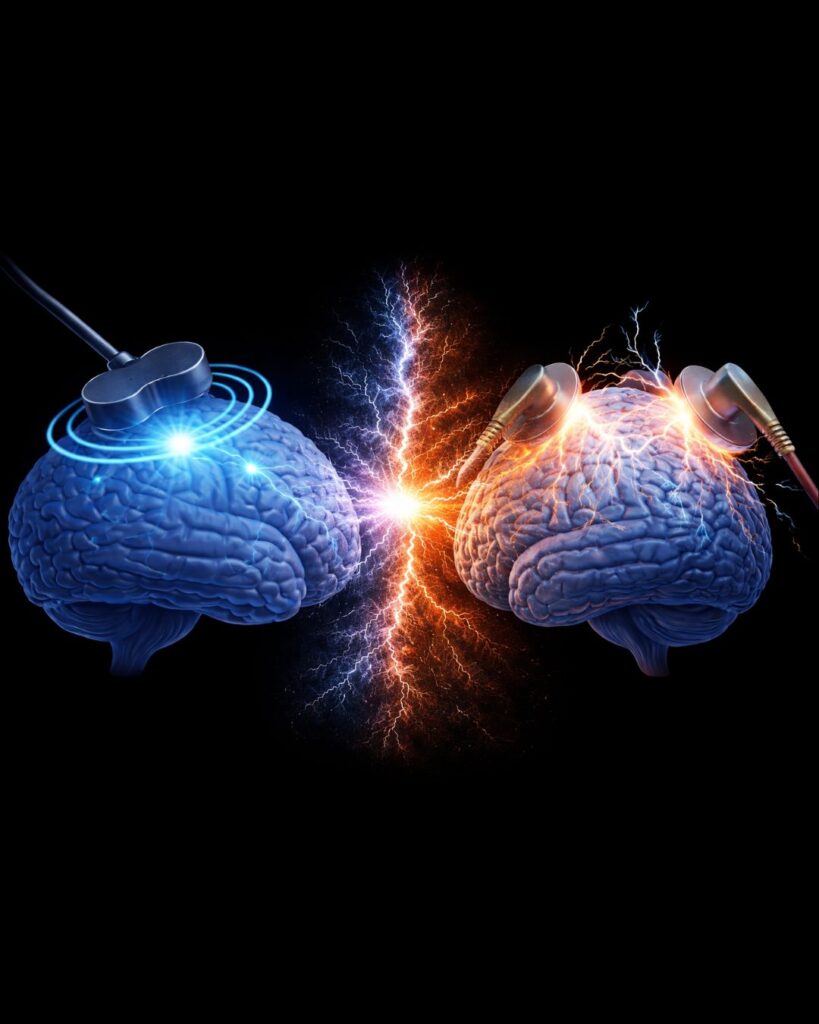
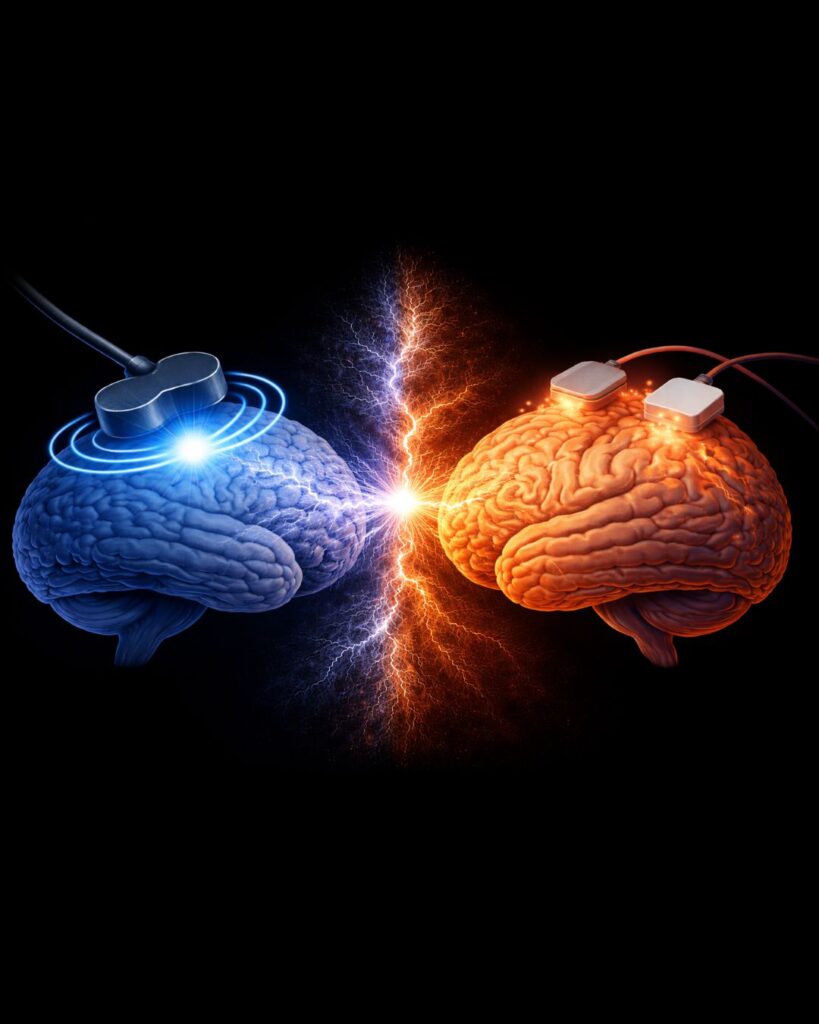
TMS provides a non-invasive, evidence-based alternative to more invasive options such as Electroconvulsive Therapy (ECT), helping bridge the therapeutic gap between medication therapy and intensive biological interventions.
Scientific History of TMS From Faraday to Modern Medicine
The scientific foundation of TMS dates back to the 19th century, when Michael Faraday discovered the principle of electromagnetic induction.
In 1985, researchers demonstrated for the first time that the human cerebral cortex could be stimulated non-invasively using magnetic fields — a historic turning point that transformed TMS from theory into a validated research technology.
During the 2000s, TMS entered clinical practice following large-scale clinical trials and ultimately received worldwide approvals, including:
✔ U.S. FDA Approval
✔ European CE Mark
✔ Ministry of Health – Iran
Today, TMS is widely integrated into modern medical care.
For a full historical review, see“The History of Transcranial Magnetic Stimulation (TMS): From the First Muscle Twitch to Clinical Applications” on the Mavaranegar website.
How Does TMS Work? — Neuromodulation Explained
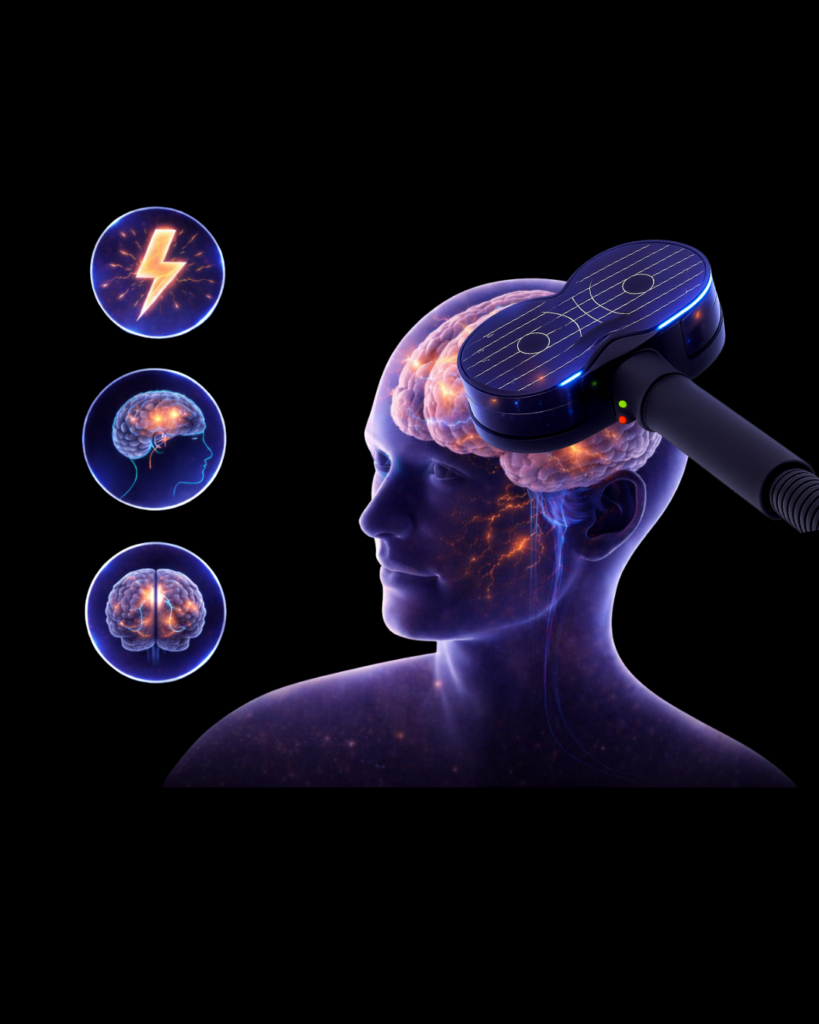
During TMS treatment, a magnetic coil is placed on the scalp. The device delivers brief magnetic pulses that induce precise electrical currents in the surface layers of the brain. These currents:
✔ regulate neural activity
✔ modulate brain circuits
✔ improve emotional and cognitive function
— all without pain and without sending electrical current directly through the skull.
What Is rTMS? (Repetitive TMS)
In therapeutic use, pulses are delivered repeatedly over structured sessions.
-
High-frequency stimulation → increases cortical activity
-
Low-frequency stimulation → decreases cortical activity
This allows clinicians to adjust and optimize brain network function.
Why Does Modern Healthcare Need TMS?
Limitations of Medication Therapy
Medications may:
-
take weeks to show benefit
-
produce systemic side-effects
-
fail in treatment-resistant patients
Around 30–40% of patients with major depression do not respond adequately to standard treatments.
Limitations of ECT
ECT is highly effective — but:
-
requires anesthesia
-
intentionally induces seizures
-
may cause cognitive side-effects
-
and has lower patient acceptance
For a detailed comparison, see:“Differences Between TMS and ECT in Brain Stimulation”
Where Does TMS Fit?
TMS is:
✔ non-invasive
✔ seizure-free
✔ anesthesia-free
✔ performed on an outpatient basis
making it a modern and patient-friendly treatment option.
Clinical and Research Applications of TMS
Psychiatry
Strongest evidence exists for:
-
Treatment-Resistant Depression (FDA-Approved)
-
Obsessive-Compulsive Disorder (OCD)
-
Anxiety Disorders
-
Addiction
-
Chronic Pain Syndromes
Neurology & Rehabilitation
Including:
-
Stroke rehabilitation
-
Movement disorders
-
Cognitive recovery
Neuroscience Research
TMS is a powerful tool for:
-
studying brain networks
-
probing neuroplasticity
-
functional brain mapping
-
translational medicine
Safety, Tolerability, and Patient Experience
TMS is:
✔ non-invasive
✔ anesthesia-free
✔ well-tolerated
✔ associated with minimal side-effects
Most common sensation:
➡ a brief tapping feeling on the scalp
Significant cognitive side-effects are rare.
Why TMS Represents the Future of Brain-Based Medicine
TMS aligns with the direction of modern neuroscience because it is:
-
evidence-driven
-
customizable and target-specific
-
consistent with precision-medicine principles
-
supported by advancing neuromodulation technology
Today, TMS is considered a modern therapeutic standard in many advanced treatment centers.
Conclusion
Transcranial Magnetic Stimulation provides a scientific, safe, and non-invasive method to modulate brain circuits and plays a growing role in treating psychiatric and neurological disorders. Strong clinical evidence, high patient acceptance, and minimal side-effects make TMS a strategic innovation in modern healthcare.