The History of Transcranial Magnetic Stimulation (TMS): From the First Muscle Twitch to Clinical Applications
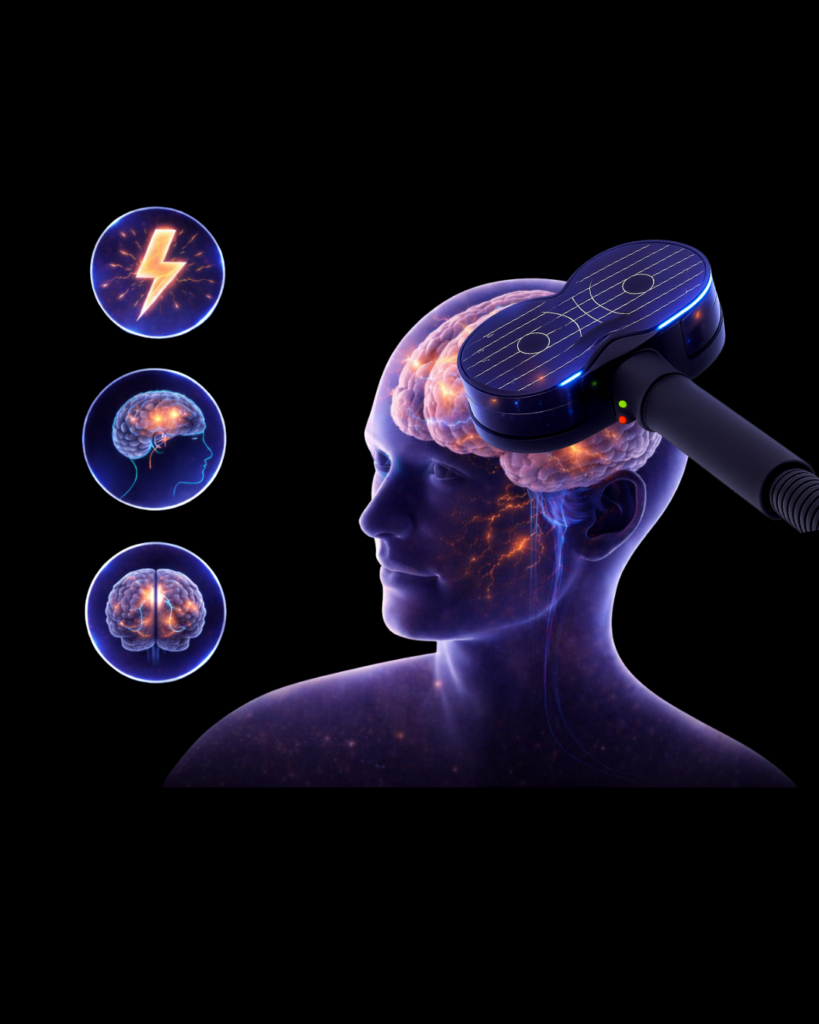
Transcranial Magnetic Stimulation (TMS) is a major advancement in neuroscience that evolved from an early experimental observation into a clinically applied, non-invasive brain stimulation technique. This article reviews the historical development of TMS based strictly on established scientific evidence.
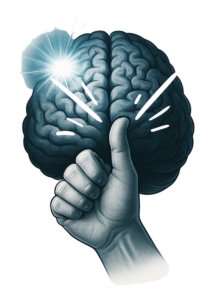
The First Scientific Evidence of TMS in 1985
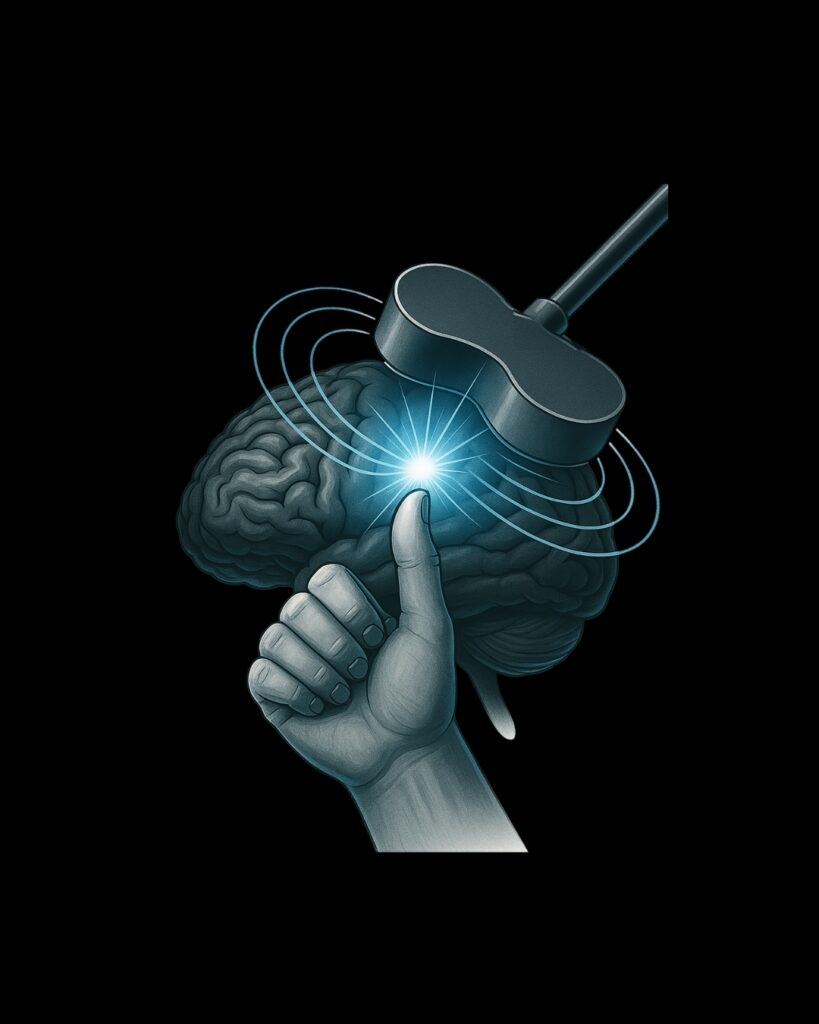
In 1985, a brief magnetic pulse was applied to the human motor cortex. Within milliseconds, the volunteer’s thumb muscle contracted involuntarily. This observation provided the first experimental evidence that magnetic fields are capable of activating cortical neurons.
This event marked the formal beginning of Transcranial Magnetic Stimulation as a neuroscientific concept.
Non-Contact Stimulation of the Human Brain
For the first time, the human brain was stimulated without any physical contact. This finding demonstrated that magnetic fields can directly excite neurons and that brain stimulation does not necessarily require invasive procedures. This principle laid the foundation for the future development of TMS technology.
Expansion of TMS from Motor to Cognitive Brain Regions
As technology advanced, magnetic pulses were no longer limited to motor areas and were gradually directed toward cognitive regions of the brain.
The Role of the Left Dorsolateral Prefrontal Cortex (DLPFC)
Among cognitive regions, the left dorsolateral prefrontal cortex (DLPFC) gained particular attention due to its key role in emotion regulation and decision-making processes.
Clinical Evidence of TMS in Depression
Clinical studies demonstrated that repetitive stimulation of the left DLPFC can reactivate neural circuits disrupted in depression. These findings positioned TMS beyond a research tool and highlighted its relevance in clinical interventions.
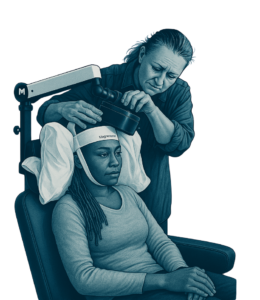
The Transition of TMS into Psychiatric Clinics
In the following decades, TMS moved beyond laboratory settings and entered psychiatric clinics. It became recognized as a safe, non-invasive technique grounded in scientific evidence.
Recognized Applications of TMS
Based on available scientific evidence, TMS has been applied in the context of:
-
Depression
-
Obsessive–Compulsive Disorder (OCD)
-
Anxiety
-
Neuropathic pain
Conclusion: The Historical Trajectory of TMS
The historical development of TMS illustrates a progression from a simple observation in the motor cortex to an established, non-invasive method within neuroscience and psychiatry. Accumulated scientific evidence has solidified its position as a research-based clinical technology.